

eFreight Data Across Enterprise Finance
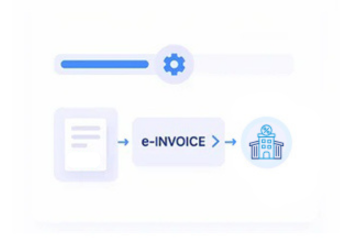
How eFreight Connects With Finance
- Collect Logistics Records: eFreight ERP supplies shipment, customer, carrier, charge, and billing information for electronic invoice processing.
- Review Transaction Details: Advintek checks freight transactions and required invoice fields before creating structured financial records for processing.
- Organize Billing Information: Relevant logistics data is arranged into invoice structures while preserving shipment and commercial references.
- Connect Finance Systems: Prepared invoice records flow toward connected ERP accounting environments alongside related logistics and customer transactions.
- Reconcile Invoice Activity: Processed invoices can be compared with freight transactions and accounting records to identify inconsistencies.
- Retain Financial References: Invoice documents and transaction references remain organized for financial review, reporting, and IRS-related recordkeeping.
What Inside the eFreight Integration
Advintek connects eFreight ERP information with enterprise finance applications, creating structured processing between logistics operations, billing activity, electronic invoicing, reconciliation, and accounting workflows.
- Link shipment records with accounting entries
- Match freight charges with customer accounts
- Associate carrier records with supplier transactions
- Trace invoice records across enterprise finance
Why Businesses Using eFreight ERP Choose Advintek
- eFreight Billing Visibility: Finance teams can review freight billing information alongside shipment records and connected ERP accounting activity.
- Customer Ledger Coordination: Customer billing details remain connected with logistics transactions and broader enterprise ledger processes for review.
- Carrier Finance Alignment: Carrier-related transaction information can align with supplier accounting workflows without separating operational freight context.
- Invoice Reconciliation Support: Connected records help finance teams compare freight invoices with shipment activity and corresponding ERP transactions.
- Logistics Accounting Integration: eFreight ERP data can participate within broader accounting workflows supporting billing, reconciliation, and financial reporting.
- Financial Record Organization: Electronic invoices and supporting logistics references remain organized for review and IRS-related financial recordkeeping.
Smarter Controls for Freight Finance
Freight Margin Analysis
Compare freight billing and transaction information across connected finance records for operational financial analysis.
Shipment Invoice Traceability
Follow invoice records back to shipment activity, customer references, charges, and originating ERP transactions.
Data Exchange Monitoring
Monitor exchanges between eFreight ERP, Advintek, and connected finance systems for stronger processing oversight.
eFreight ERP for U.S. Logistics
Advintek supports eFreight ERP users by connecting logistics operations with U.S. e-invoicing, ERP accounting, freight billing, reconciliation, reporting, and structured financial processing.
- Freight businesses managing integrated logistics finance
- Logistics teams coordinating shipment and billing
- Finance departments reviewing carrier related transactions
- Enterprises connecting logistics operations with accounting
Streamline Your Logistics Invoice Process
Connect eFreight ERP logistics records with U.S. e-invoicing and finance.
Keep freight finance across connected ERP workflows.
Ready e-Invoice System
Frequently Asked Questions About E-Freight ERP E-Invoicing in USA
Which eFreight ERP records can feed electronic invoice workflows?
eFreight ERP can supply shipment details, consignment references, customer information, carrier records, freight charges, billing details, and related transaction data. Advintek can organize relevant information into structured invoice workflows while preserving operational references, helping connected ERP finance systems associate electronic invoices with the logistics activity that generated the underlying commercial transaction.
How are freight transactions prepared for e-Invoicing in USA?
Advintek receives relevant eFreight ERP transaction data, checks required billing information, structures invoice details, and prepares records for downstream electronic processing. Freight charges, customer references, shipment information, and related financial data can remain associated throughout the workflow, allowing finance teams to connect operational logistics activity with accounting and enterprise invoice records.
Can eFreight ERP connect shipment billing with enterprise accounting?
Yes. Advintek can connect eFreight ERP shipment and billing information with broader ERP accounting workflows. This allows customer charges, carrier references, invoice details, and logistics transactions to participate in connected finance processes. The integration helps organizations maintain relationships between operational records and accounting entries while supporting reconciliation, reporting, and structured electronic invoice management.
Where can e-Invoicing Software in USA fit within eFreight ERP operations?
e-Invoicing Software in USA can provide a processing layer between eFreight ERP and connected finance applications. Advintek can validate logistics billing data, structure electronic invoices, coordinate financial records, and support reconciliation. This approach allows freight organizations to integrate invoice processing with established ERP accounting operations instead of handling logistics billing through disconnected processes.
How do e-Invoicing Solutions in USA support eFreight ERP finance teams?
e-Invoicing Solutions in USA can help eFreight ERP users coordinate shipment billing, freight charges, customer records, carrier information, and accounting data within connected workflows. Advintek provides structured processing between logistics operations and enterprise finance, while organized invoice records can support financial review and applicable IRS-related electronic recordkeeping considerations and financial control.