

Compliance That Fits FreshBooks Users
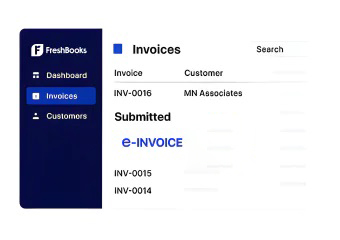
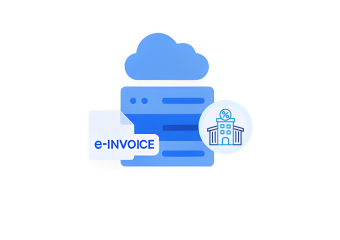
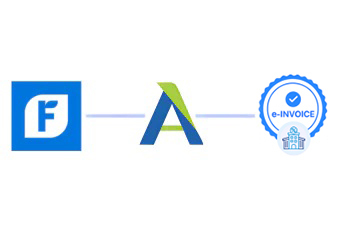
How Freshbooks e-Invoicing Works with Advintek
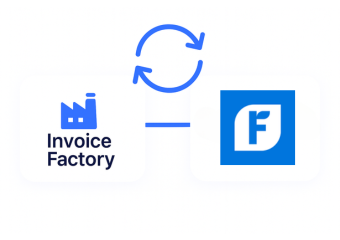
- Source Data Integration: FreshBooks invoice data syncs securely with Advintek’s UAE e-invoicing implementation guide.
- Compliance Validation Layer: FreshBooks invoices are checked through Advintek’s Invoice Factory platform for UAE validation.
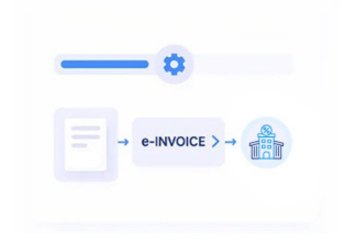
- Format Structuring for Submission: Invoice data is transformed into standardized structured formats aligned with UAE e-invoicing specifications, ensuring submission readiness.
- Controlled Delivery Channels: Invoices are delivered through defined channels, ensuring traceability, consistent distribution, and controlled access across recipients.
- Network-Based Submission: Invoices are transmitted through approved networks such as Peppol, ensuring compliant routing within UAE and cross-border systems.
- Archival and Record Management: All invoices are stored in structured archives aligned with UAE requirements, supporting audits and long-term record retention.
What Does Advintek Add to FreshBooks?
Advintek introduces a compliance integration layer that connects FreshBooks with UAE e-invoicing systems without modifying your accounting setup. Advintek’s e-invoicing software buyer guide can help you evaluate integration, automation, compliance, and support requirements before selection.
- Converts FreshBooks invoices into compliant structured formats
- Routes invoices through approved UAE submission networks
- Tracks validation responses and submission status
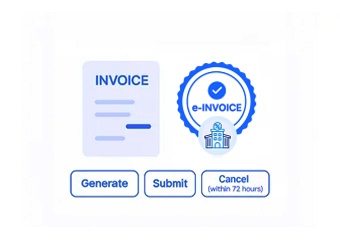
- Supports lifecycle actions including cancellations and credit notes
Why FreshBooks Users Choose Advintek
- Integrated Compliance Execution: Invoices are processed in line with UAE e-invoicing rules automatically, removing dependency on manual validation processes.
- Structured Process Flow: Each invoice follows a structured validation and submission path, reducing inconsistencies across teams and workflows.
- Reduced Operational Effort: Manual work related to formatting, validation, and submission is reduced, allowing teams to focus on core financial activities.
- Enhanced Transaction Visibility: Real-time tracking of invoice status and validation outcomes enables better monitoring and audit preparedness.
- Consistent Workflow Handling: Standardized processing ensures invoices are handled uniformly without variation caused by manual inputs.
- Regulatory Compliance Alignment: Invoices are structured according to FTA requirements, reducing rejection risks and minimizing the need for rework.
Everything You Need for UAE E-Invoicing in One Place
Error Monitoring and Resolution
Monitor invoices before submission with clear error visibility, guided corrections, and batch resubmission to resolve issues without delays.
Reporting and Operational Tracking
Oversee invoice activity from one dashboard with live status updates, custom insights, and consistent tracking across multiple entities.
Support for Continuous Compliance
Ensure compliance with ongoing support for validation and exceptions, backed by regulatory updates and fast response during operational disruptions.
Built for Businesses Using FreshBook in the UAE
Across industries including services, freelancers, agencies, and professional firms, Advintek enables FreshBooks e-invoicing in the UAE without disrupting operations.
- Continue invoicing within FreshBooks environment
- Manage recurring billing efficiently
- Maintain records ready for audits
- Reduce errors through automated validation
Compliance Should Not Create Extra Work
Advintek ensures your FreshBooks invoices are validated, structured, and submitted correctly - without changing how you currently work.
Connected to FreshBooks. Managed through Advintek.
Ready e-Invoice System
Frequently Asked Questions FreshBooks e-Invoicing UAE
1. Can FreshBooks handle UAE e-invoicing requirements on its own?
No. FreshBooks is mainly an accounting and invoicing tool, not a dedicated UAE e-invoicing compliance platform. It does not independently manage UAE-specific validation, structured formatting, Peppol PINT AE alignment, approved network submission, or compliance storage. Advintek adds the external compliance layer FreshBooks users need to process invoices correctly without changing their existing accounting workflow.
2. What is FreshBooks e-invoicing UAE integration and why is it needed?
FreshBooks e-invoicing UAE integration connects invoice data from FreshBooks to Advintek’s compliance processing layer. This is needed because UAE e-invoicing requires structured invoice data, validation checks, submission readiness, transmission workflows, and proper archival controls. Without integration, teams may need to manage formatting, compliance checks, and submission processes manually, which increases error risk and operational pressure.
3. Will I need to change how I create invoices in FreshBooks?
No major change is required in how your team creates invoices inside FreshBooks. You can continue using FreshBooks for normal invoice creation while Advintek manages the compliance layer in the background. Invoice data is extracted, validated, structured, and prepared for submission without forcing your team to shift to a completely new accounting system or duplicate invoice entries manually.
4. How does FreshBooks invoice automation UAE work with Advintek?
FreshBooks invoice automation UAE works by connecting invoice data from FreshBooks to Advintek’s validation and submission workflow. Advintek checks required fields, identifies errors, structures invoice data into compliant formats, routes invoices through defined submission channels, and tracks responses. This reduces manual formatting work, improves submission accuracy, and helps finance teams maintain better visibility over invoice status and compliance outcomes.
5. What happens if a FreshBooks invoice fails UAE validation?
If a FreshBooks invoice fails UAE validation, Advintek helps identify the issue before submission or during the response process. Errors may relate to missing fields, incorrect tax data, formatting gaps, buyer details, or invoice structure. The system provides visibility into the problem so corrections can be made quickly, reducing rejection risk, rework, delays, and compliance disruption.